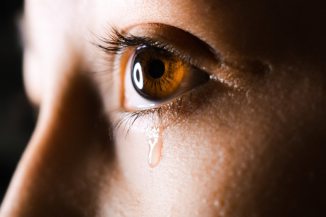
I know everyone likes to believe that the newest generation is worse than all the previous ones, or that the world is in constant decline or possibly about to end. Complaining about “people these days” is the least original complaint in history–even though most statistics show that it isn’t based on fact. When it comes to vaccinations, health, and poverty, life is actually getting much better.
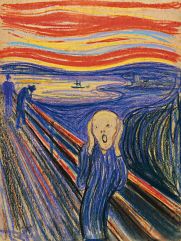
But—and it’s a very important but—this does not hold true for mental illness. We may have better treatment methods, but cases of anxiety and depression have been steadily on the rise since the 1930s. Suicide rates are down, but this is most probably because of the invention of antidepressants, not because fewer people are suffering in the first place. Seventy years ago we did not have the epidemics of eating disorders and self-harm that we do now, and that isn’t nostalgia speaking–it’s simply the truth.
Why is this so? My belief is that modern life is in conflict with our physiology, destining us for emotional issues. We were not made for the way we live. And so, our mental health is paying the price. Think about this: Two natural ways to fight depression are through exercise, because it releases endorphins, or through sun exposure, because vitamin D deficiency is a cause of depression. But how many of us work in jobs that require us to be physically active? How many of us spend significant time outdoors each day? As the world changes, it pushes us more and more inside buildings and into artificial light. This is not how we were meant to live.
In addition, modern life encourages us to be sedentary consumers, not because it’s best for us but because businesses profit when we do less of what fulfills us and spend money instead. Look at the messages you’re bombarded with on a daily basis. What do advertisements suggest you do to become happy? Yes, you can ignore advertisements–most of us don’t buy everything advertised to us. But marketing works on the principle that you need to feel there is something lacking in your life that the product can fix. In other words, we face an onslaught of images and messages designed to make us feel like we aren’t good enough whenever we turn on the TV, look at our iPhone, or even go outside. We don’t have to buy something for that idea to be internalized.
But the biggest change in the last century that contributes to increased mental health problems has got to be school. School has changed, and there are interesting historical reasons why. In the first half of the 20th century, homework was frowned upon and given rarely–until the Space Race and the Cold War. The American desire to compete with the Russians manifested in a more rigorous education system. From then on, the more challenging, the better, we said. Now, standardized testing cripples students with a fear of failure.
But all of this pressure is artificial. Is there anything inherent in learning that specifies we should be dealing with constant anxiety? It isn’t like we are learning to become soldiers or warriors. There is absolutely no reason why reading a book and reflecting on it should make you nervous. We learn in our everyday lives, and it doesn’t fill us with panic. Imagine someone trying to make a new recipe or play a new video game having an anxiety attack when they made a mistake. We would think this was highly abnormal. But we accept it in an academic culture–students cry over tests, have panic attacks in the bathroom, and we aren’t even surprised. If anything, the calm student is the exception, and their peers look at them with wonder but also think they ought to care more. We have accepted that school should trigger your fight-or-flight danger response even though there is no real danger.
This soul-crushing system has been put in place because we want an easy way to figure out if someone is good enough to be in our college or our company. It’s too difficult to figure out someone’s skills on our own; we need numbers and data we can analyze quickly. It makes sense to some extent, but we have taken it to the extreme. And this increases the pressure placed on us: as more people have degrees, the less meaning they have in the world, and the more we are expected to be able to do in addition to having succeeded academically. The world needs creative people right now, people with talents, and school doesn’t teach you to be talented. Schools are not designed to optimize individual student learning. They are designed to optimize financial resources and put numbers on qualities that can’t be defined in numbers.
And yet we call the reaction to this mental illness. “It is no measure of health to be well adjusted to a profoundly sick society,” said Jiddu Krishnamurti. And I agree. Life has always been hard, but we have made it unnecessarily difficult in a way we are not naturally equipped to deal with. People complain that the uptick in mental illness is due to over-diagnosis of normal human emotions. I agree and disagree, because these emotions are normal reactions, but they shouldn’t be existing to this extent. But how else are we supposed to react in an environment that harms and sickens us? The problem is that we are considered the problem, that we treat the sufferers instead of addressing what they are suffering from.
Are you and I sick? This is what I’ve been told. But I disagree: If I am ill, it is only because I live in a diseased world. It is only because everything around us is fighting to make us ill, and no one is trying to stop it.




 Half-Blood Kuwaiti